
New Zealand Nurtured Seafood Festivals Calendar
New Zealand’s coastal gatherings celebrate the country’s world-class mussels, oysters, salmon and crayfish with seasonal freshness, culinary skill and community energy. These events concentrate harvest rhythms, artisanal producers and regional identity into hands-on tasting, live cooking and marketplace experiences that both showcase provenance and support local fishers and aquaculture farms. For visitors and locals the essential draw is direct access to nurtured seafood at peak condition, paired with chef-led presentations and regional wines.
Why These Festivals Matter and How Top Events Are Chosen

Festivals matter because they translate sustainable production systems into visible value for communities and consumers. Criteria used to identify standout events include the strength of local production ties, demonstrable adherence to fisheries regulations and certifications, diversity of participating producers, educational programming on responsible harvesting, visitor accessibility and consistent annual attendance. Events that partner with recognised certifiers, such as the Marine Stewardship Council or the Ministry for Primary Industries, tend to have stronger sustainability programming. Festivals also matter economically; in regional centres they generate off-season visitation and direct sales for small-scale growers and fishers.
Major Festivals and Regional Profiles
Bluff and Havelock anchor the calendar for southern oysters and greenshell mussels. Kaikōura, Marlborough, Nelson Tasman and Auckland each present their own coastal flavours through local celebrations and market days. Southland and Fiordland events emphasise Foveaux Strait oysters and southern scallop and whitebait traditions. Smaller regional gatherings occur year round in beachside towns, marae and community halls, creating accessible entry points for families and culinary tourists.
| Festival or Event | Location | Typical Season | Signature harvests | Notes |
|---|---|---|---|---|
| Bluff Oyster & Food Festival | Bluff, Southland | May (autumn) | Foveaux Strait Bluff oysters | Longstanding regional draw highlighting southern oysters and seafood platters |
| Havelock Mussel & Seafood Festival | Havelock, Marlborough | Late summer to autumn | Greenshell mussels | Havelock identifies as the Greenshell mussel centre with marketplace and tasting tent |
| Kaikōura Seafood Celebrations | Kaikōura, East Coast South Island | Summer | Crayfish (rock lobster), paua | Events showcase local crayfish, dive-harvest stories and shore-to-plate demos |
| Marlborough Sounds Events | Marlborough Sounds | Autumn to spring | Salmon, mussels, farmed shellfish | Producers in the Sounds pair seafood with regional wines and tasting circuits |
| Nelson Tasman Food Events | Nelson Tasman | Summer and autumn | Mussels, whitebait, coastal seafood | Market-style events feature small-scale smokehouses and artisan processors |
After the entries above, deeper regional programming includes chef stages, live shucking demonstrations and education tents where harvest methods and traceability are explained. Visitors should confirm annual dates because timing can shift with tides, weather and community calendars.
Featured Seafood Types and Regional Spotlights

- Oysters: Bluff oysters are prized for their rich, briny character from Foveaux Strait. Mid-autumn festivals celebrate their peak flesh and flavour. Other regional varieties come from Coromandel and Northland estuaries and are featured at coastal events.
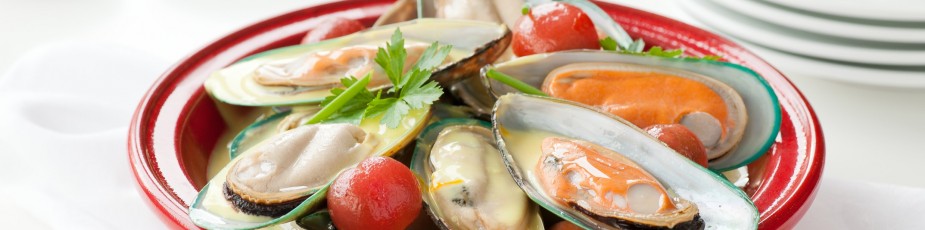
- Mussels: Greenshell mussels farmed in Pelorus Sound and the Marlborough area are the star at Havelock events. Farmed mussels have a relatively low carbon footprint and are often presented steamed or in chowders during demonstrations.
- Salmon: Marlborough Sounds and parts of the northern South Island host aquaculture for Atlantic salmon strains sold under well-known New Zealand brands. Festivals highlight smoked and hot-smoked preparations alongside local produce.
- Crayfish: Kaikōura and adjacent East Coast harbours supply rock lobster that appear in seasonal plates and live cooking segments focused on minimal seasoning to showcase sweetness.
These varieties are used to demonstrate traceability, cooking techniques and regional pairing with wines and ciders.
Sustainability, Culinary Programming and Practical Planning

Sustainability frameworks are central. New Zealand’s Quota Management System governs commercial quotas while the Ministry for Primary Industries publishes harvest and biosecurity guidance. Many farms and fisheries display certifications from recognised schemes and explain stocking, site monitoring and fallowing practices to visitors. Chef demonstrations and timed cook-offs translate these messages into practical uses: shuckers show proper handling, chefs demo rapid pan techniques that preserve texture, and panels discuss seasonality and storage.
Festival programming often includes family activities such as kids’ cook-alongs, sea-themed educational booths and traditional cultural performances. Accessibility is increasingly prioritised with level access areas and clear allergen signage. Many events provide vegetarian and allergen-free options alongside seafood plates.
For planning, buy tickets through official festival outlets and expect peak accommodation demand in nearby towns. Transport options vary regionally; Bluff is served from Invercargill and is best accessed by car, Havelock by State Highway 1 and Marlborough by rail or air to Blenheim. The best times to attend depend on species: Bluff oysters are popular in autumn months, mussel events peak around late summer and salmon showcases occur through cooler months when smokehouses operate. Respect tasting etiquette by sampling modest portions across stalls, following portion rules set by organisers and disposing of shells in designated receptacles to minimise waste.
Photography and sharing are central to the festival experience. When posting, credit producers and use official event hashtags to help growers gain visibility. Many producers sell chilled product on site or provide contacts for farmgate pickup and approved retailers. Local markets in Nelson, Blenheim and Picton are reliable points to buy fresh mussels and smoked salmon.
Planning a multi-stop road itinerary is viable given concentrated coastal clusters. A typical route might link Bluff and Invercargill with the Southland coastline, then move north to Kaikōura and on to Marlborough or Nelson, spacing travel to allow for tidal activities and chef sessions.
Official Links and Updates

For the latest dates and programmes consult official tourism and regulatory sites. National tourism listings and regional council calendars publish confirmed dates each year. For regulatory information and seafood advisories consult the Ministry for Primary Industries website and industry pages that detail certifications and harvest status. Checking producers’ own social channels provides the fastest updates for pop-up events, harvest windows and ticket releases.